
28 products

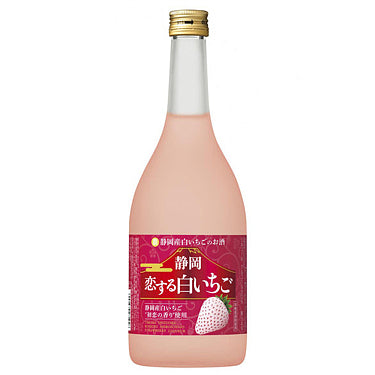
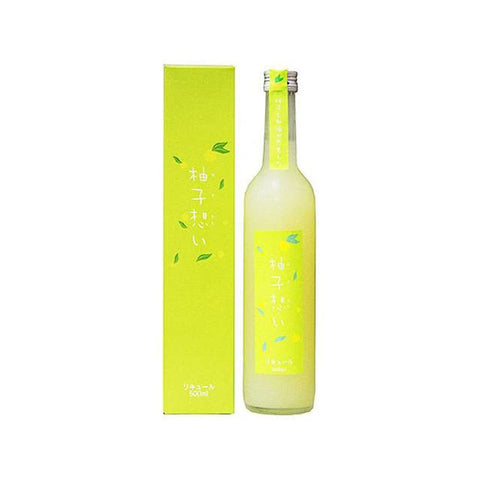
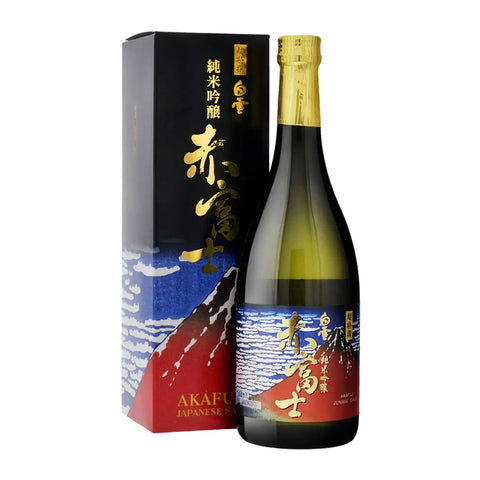
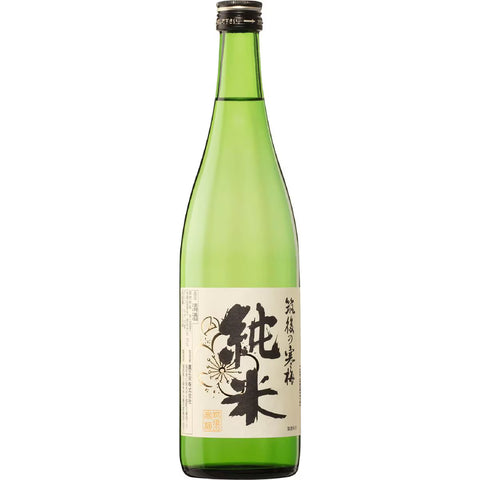
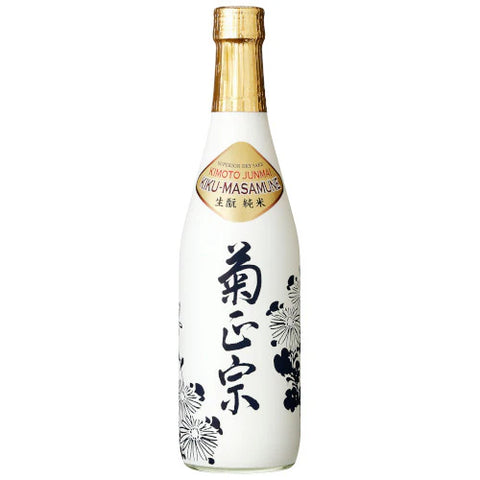

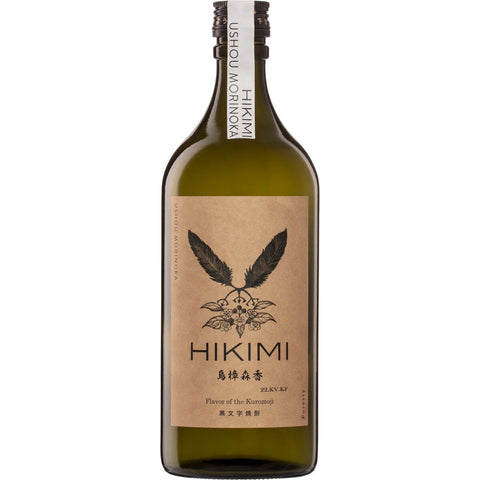
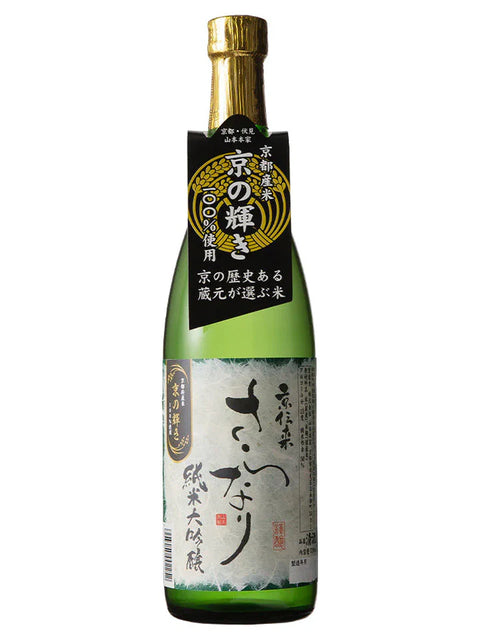
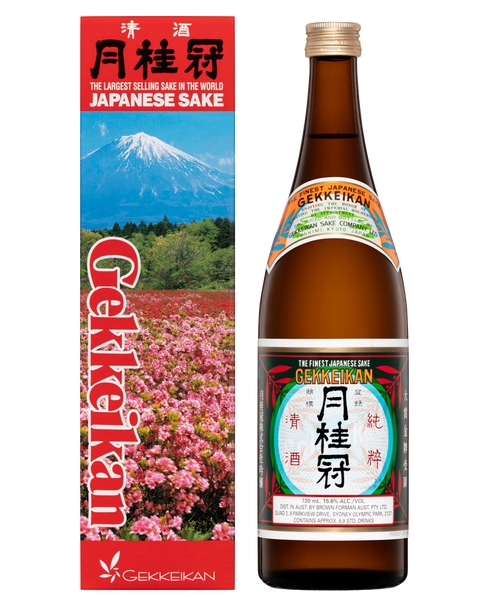
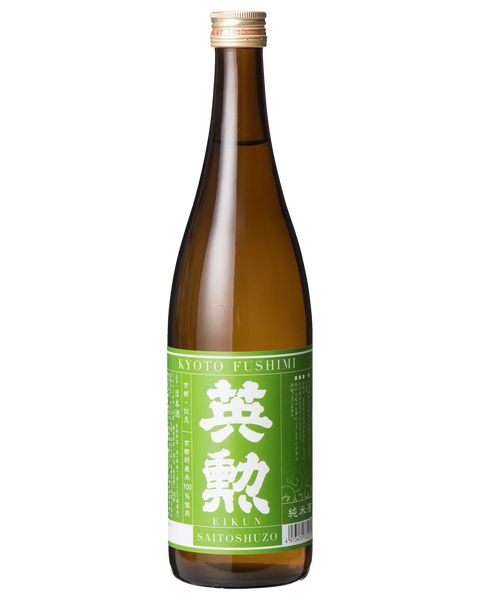
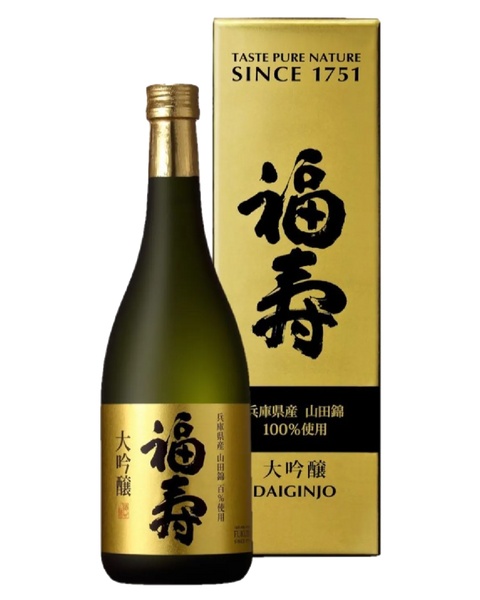


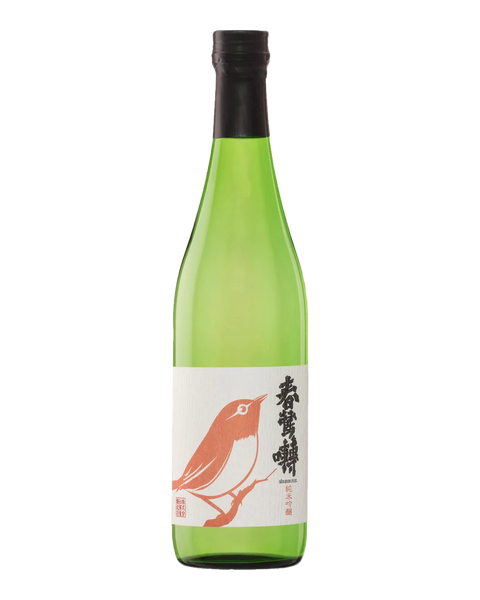
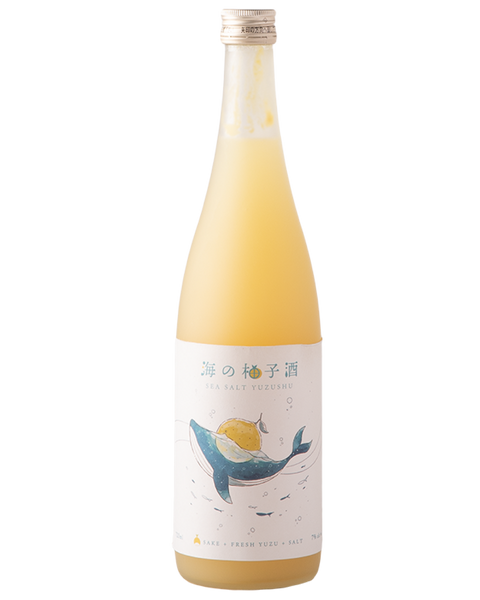
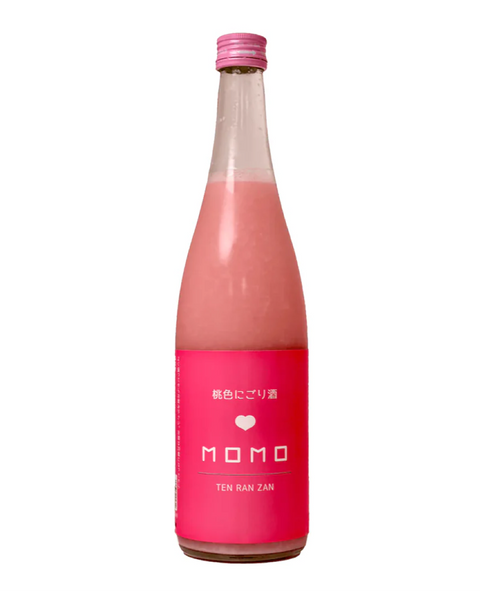
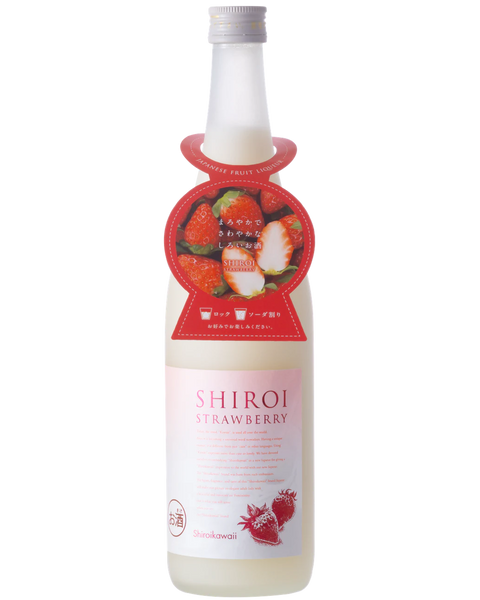
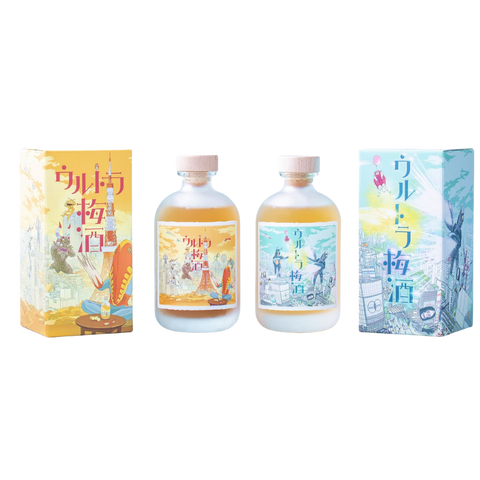
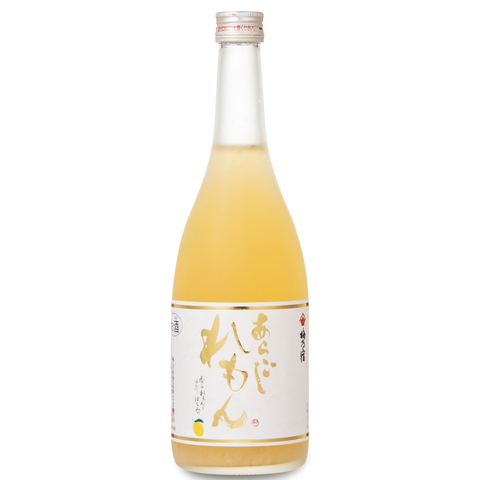
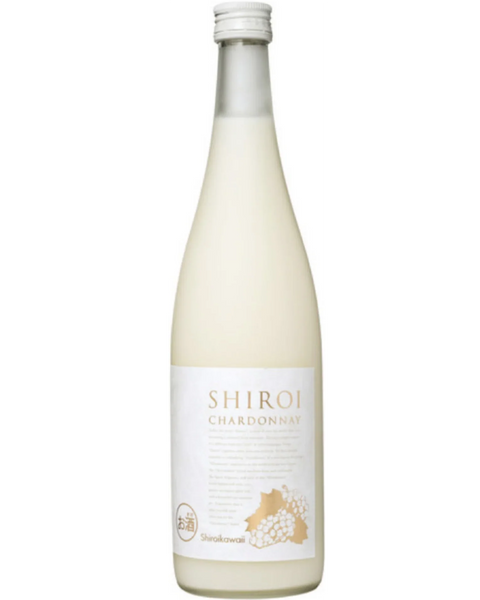


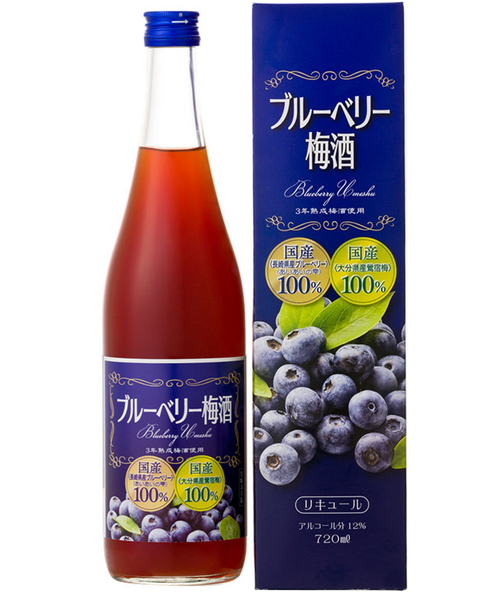
Sake is one of the world's great drinks — brewed, not distilled, from just four ingredients: rice, water, yeast and koji. As one of Australia's few genuine sake specialists, we stock a range that goes far beyond the average bottle shop shelf: crisp Junmai, fragrant Ginjo and Daiginjo, cloudy Nigori, aromatic Umeshu plum wine and hard-to-find seasonal releases from respected Japanese breweries.
Understanding sake styles
The key to sake is the rice polishing ratio — how much of the outer grain is milled away before brewing. Junmai is pure rice sake: fuller, savoury and umami-rich, brilliant with food. Ginjo (polished to at least 60%) turns lighter and more fragrant, with melon and floral notes. Daiginjo (50% or less) is the pinnacle — silky, perfumed and elegant. Nigori is coarsely filtered, leaving it cloudy, creamy and gently sweet, while Umeshu is a luscious plum liqueur perfect over ice. If a label carries the word Junmai, no brewer's alcohol has been added; without it, a touch of neutral spirit lifts the aroma.
Serving and pairing sake
Forget the idea that sake is only served hot. Premium Ginjo and Daiginjo styles are best lightly chilled, like a fine white wine, while robust Junmai and Honjozo styles reward gentle warming in the cooler months. Sake's natural umami makes it one of the most food-friendly drinks on the planet — it flatters sashimi and sushi, obviously, but also oysters, fried chicken, hard cheeses and barbecue. Exploring Japanese drinks more broadly? Pair your order with something from our Japanese whisky collection.
Frequently Asked Questions
What's the difference between Junmai and Daiginjo?
Junmai refers to purity (rice, water, yeast and koji only), while Daiginjo refers to polish (rice milled to 50% or less). A Junmai Daiginjo is both — pure rice sake at the highest polishing grade, and generally the most refined style you can buy.
Should sake be served warm or chilled?
Both are correct — it depends on the style. Chill aromatic Ginjo and Daiginjo; warm fuller, earthier Junmai styles to around 40–45°C. Avoid overheating premium sake, as it burns off the delicate aromatics.
How strong is sake?
Most sake sits between 14% and 16% ABV — closer to wine than to spirits, despite its reputation.
How long does sake last after opening?
Keep it refrigerated and it will drink well for one to two weeks — longer than most table wine. Unopened bottles are best stored cool and dark and enjoyed young, ideally within a year of bottling.
Do you ship sake across Australia?
Yes. We deliver Australia-wide from our Sydney store, with free shipping on NSW orders over $150 and click and collect available from Enmore Road.