
You've heard the rule. Never cook with a wine you wouldn't drink.
It gets repeated in every cookbook and every cooking show, usually in a tone that suggests the person saying it has never thought about it very hard. And it's half right, which is the most annoying thing a rule can be.
The half that's right: don't cook with something undrinkable. The half that's wrong: the implication that better wine makes better food.
It mostly doesn't. Here's what actually happens in the pan.
The short answer
You need sound wine, not good wine. They are not the same thing.
Sound means clean, dry, no faults, no weird sweetness, nothing aggressive. A fifteen dollar bottle clears that bar easily. So does a twelve dollar one.
Good means complex, layered, aged, interesting. Every one of those qualities is destroyed by heat. You are paying for things that will not survive contact with your pan.
What heat actually does to wine
When wine goes into a hot pan, it splits into two groups of things. What survives, and what doesn't.
What survives, and gets concentrated:
- Acid. This is the main reason wine is in the dish at all. It brightens, it cuts fat, it lifts everything around it.
- Sugar. Including sugar you didn't know was there.
- Tannin. The grippy, drying stuff in red wine.
- Body and colour.
- Any fault the wine had.
What disappears:
- Aroma. Almost all of it, almost immediately.
- Complexity, nuance, and anything described as a "note" on the back label.
- Oak character, which goes from toasty to harsh.
- Everything that bottle age gave the wine.
Look at those two lists and the answer falls out on its own. The second list is the entire reason a wine costs more than fifteen dollars. The first list is available in any clean, dry bottle at any price.
Reduction makes this worse, or better, depending on how you look at it. As liquid boils away, everything left behind gets more intense. A wine with a bit too much tannin becomes bitter and drying. A wine with a bit of residual sugar becomes a sticky glaze you didn't ask for. A wine that was slightly oaky becomes something that tastes like a plank.
A great bottle and a cheap bottle don't get further apart in a pan. They get closer together, and then the great one loses, because it had more to lose.
The opposite mistake is worse
None of this is an argument for the bottle labelled "cooking wine" in the grocery aisle.
That stuff is usually salted, often has preservatives and additives, and the salt is there for regulatory reasons rather than culinary ones. Salted wine means you've lost control of the seasoning of your dish before you've started, and you cannot take salt out once it's in.
The other genuine failure is cooking with wine that's gone off. Remember that reduction concentrates faults. An oxidised bottle that tastes a bit flat and nutty in a glass will taste aggressively flat and nutty in a sauce, because you've just removed two thirds of the water and left the problem behind.
That half-bottle from Tuesday is fine on Thursday. The one that's been open since last month is not a braise, it's a mistake with a longer cooking time.
The bit nobody tells you: the alcohol doesn't burn off
This is the part worth knowing even if you never cook with wine again.
"The alcohol cooks off" is one of the most confidently repeated pieces of kitchen wrong information there is. It doesn't, or at least not nearly as fast as people assume. The USDA published a table on exactly this, and the numbers are not what most people expect.
| What you did | Alcohol still in the dish |
|---|---|
| Added to a boiling liquid, then off the heat | About 85% |
| Flambé | About 75% |
| Stirred into an unheated marinade | Up to 70% |
| Baked 25 minutes, not stirred | About 45% |
| Simmered 15 minutes | 40% |
| Simmered 30 minutes | 35% |
| Simmered 1 hour | 25% |
| Simmered 2 hours | 10% |
| Simmered 2.5 hours | 5% |
Read the top line again. Splashing wine into a sauce and pulling it off the heat leaves you with most of the alcohol still sitting in the dish.
A few things shift the numbers. A wide pan evaporates faster than a narrow one because there's more surface area. Stirring helps. A lid or a crumb topping traps alcohol and keeps it in.
Practically speaking: a long braise is genuinely close to alcohol free. A quick pan sauce is not. If you're cooking for kids, for someone pregnant, for someone not drinking, or for anyone who has asked you not to, that distinction actually matters, and the flambé line in particular catches people out.
What to actually buy, by job
Braises, stews, ragù, anything over an hour. Medium-bodied dry red, moderate tannin, little or no oak. Shiraz, Grenache, Merlot and Pinot Noir all work. This is the most forgiving job on the list, so this is where you spend the least. A Bleeding Heart Shiraz or a St Hallett Black Clay Shiraz does everything a thirty dollar bottle would do here.
Risotto, mussels, chicken, cream sauces. Dry, crisp, unoaked white. You want the acid and nothing else competing. Ara Sauvignon Blanc or Tim Adams Pinot Gris are exactly the shape of thing. Avoid big oaky Chardonnay, which turns bitter and woody when it reduces.
Quick pan sauces and deglazing. Here the wine spends thirty seconds in the pan, not three hours, so more of its character actually makes it through. This is the one job where spending a bit more shows up on the plate. Still nothing precious, just something you'd happily drink.
Marinades. Acid does the work, and almost nothing else matters. Use whatever is open.
What to avoid, whatever you're making
- Heavy oak. It concentrates into something harsh and resinous.
- Big tannic reds. Young Cabernet, Nebbiolo, anything built to age. Tannin reduces into bitterness.
- Anything with residual sugar. Plenty of cheap commercial reds carry more sugar than you'd guess, and in a reduction it shows up as a sweetness you didn't plan for.
- Faulty, oxidised or corked bottles. Concentrated faults are still faults.
- Anything genuinely special. Not because it's wasteful in a moral sense, but because it literally will not taste better. The nuance you paid for evaporates in the first minute.
The actual pro move: stop using wine
The best solution to all of this is the one restaurant kitchens have used forever. Use fortified wine instead.
Vermouth, Marsala and tawny are all wine with spirit added, which means they keep for months in the fridge instead of days on the bench. That solves the real problem in home cooking, which was never quality. It was that you open a bottle for one cup of risotto and the other six cups quietly oxidise.
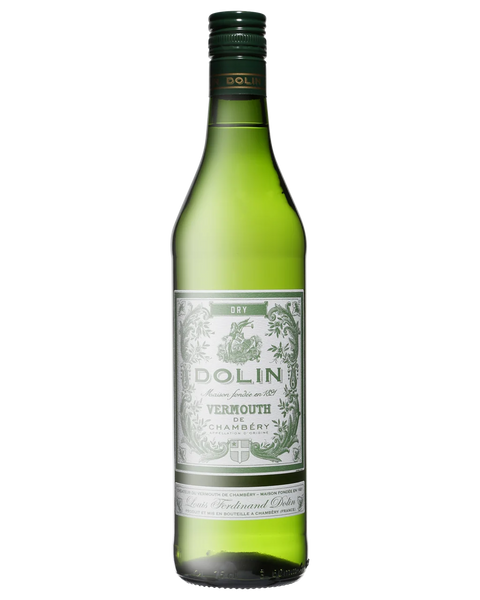
Dolin Dry Vermouth is the single most useful bottle you can keep near the stove. It's dry, herbal, high acid, and it does everything a crisp white wine does in a pan while being better at it, because the botanicals add a savoury layer wine doesn't have. Use it anywhere a recipe says dry white.
Boronia Marsala is the classic for chicken and veal, for mushrooms, and for anything that wants a nutty, caramelised depth. At the price, it's the best value ingredient in this entire article.
Martini Bianco is the softer, slightly sweeter option, good with pork and with fruit.
Buy one bottle of each, keep them in the fridge, and you will stop buying wine to cook with entirely.
The bottom line
The rule should be "don't cook with wine you wouldn't drink" only in the narrow sense that you shouldn't cook with anything spoiled or weird. As advice about spending money, it's backwards.
Heat removes exactly the qualities you pay a premium for, and concentrates the ones available in any sound bottle. Buy clean, dry, unoaked and cheap. Then put the money you saved into the bottle you're drinking while you cook, where you'll actually taste it.
Browse our wine range or our vermouth and aperitifs, with fast delivery Australia wide and free shipping across NSW on orders over $150.
If you want to prove the whole thing to yourself, make the same pan sauce twice this week. Once with a cheap dry white, once with Dolin Dry. The vermouth wins, and it'll still be good in three months when the wine would have been long gone.
Not sure what to keep by the stove? Email us at order@whiskywinesake.com.au and tell us what you cook. We'll sort you out.
FAQs
Do you need good wine for cooking?
No. You need sound wine: clean, dry, no faults and no unexpected sweetness. Heat destroys the complexity, aroma and age that make an expensive bottle expensive, while concentrating acid, sugar, tannin and any flaws. A good fifteen dollar bottle performs the same job as a ninety dollar one.
Is it true you should never cook with wine you wouldn't drink?
Half true. Don't cook with anything spoiled, oxidised or strangely sweet, because reduction concentrates those problems. But the rule is often taken to mean better wine makes better food, and that isn't how it works.
Does the alcohol cook off?
Not as much as people think. USDA figures show about 85% of the alcohol remains if you add wine to a boiling liquid and take it off the heat, around 75% after a flambé, and 25% after a full hour of simmering. Only a long braise of two and a half hours or more gets down to around 5%.
Can I use cooking wine from the supermarket?
We'd avoid it. It's typically salted and carries additives, and the added salt takes control of your seasoning away from you before you start. A cheap bottle of real wine is better and usually costs about the same.
What wine is best for cooking beef or a long braise?
A dry, medium-bodied red with moderate tannin and little oak. Shiraz, Grenache and Merlot all suit. Avoid young, heavily tannic reds like Cabernet or Nebbiolo, because tannin turns bitter as the liquid reduces.
What can I use instead of wine for cooking?
Fortified wine is better for most home cooks. Dry vermouth replaces white wine and keeps for months in the fridge rather than days. Marsala suits chicken, veal and mushrooms. Both solve the problem of opening a whole bottle for one cup.
How long does leftover wine stay good for cooking?
A few days in the fridge with the cork in is fine for a braise. Once it smells flat, nutty or sharp, don't use it, because reduction will make that worse rather than cooking it away.

Comments (0)
There are no comments for this article. Be the first one to leave a message!